In international trade and logistics, managing customs Duties and coins flow is a consistent challenge for importers. One effective yet regularly solution is using a Bonded Warehouse. This system allows groups to shop imported items below customs manage without without delay paying responsibilities and taxes. By deferring these expenses until items enter the domestic market, organizations advantage flexibility, efficiency, and higher monetary planning. This newsletter explains what bonded warehouses are, how they work, and why they are treasured throughout logistics, freight forwarding, and importer-of-document (IOR) operations.
What's a Bonded Warehouse?
A bonded warehouse is a relaxed garage facility authorized by way of customs government where imported items can be saved without Cost of customs duties or import taxes at the time of arrival. Responsibilities are paid most effective when the products are launched for domestic intake. If the products are re-exported, responsibilities won't need to be paid at all, relying on local rules.
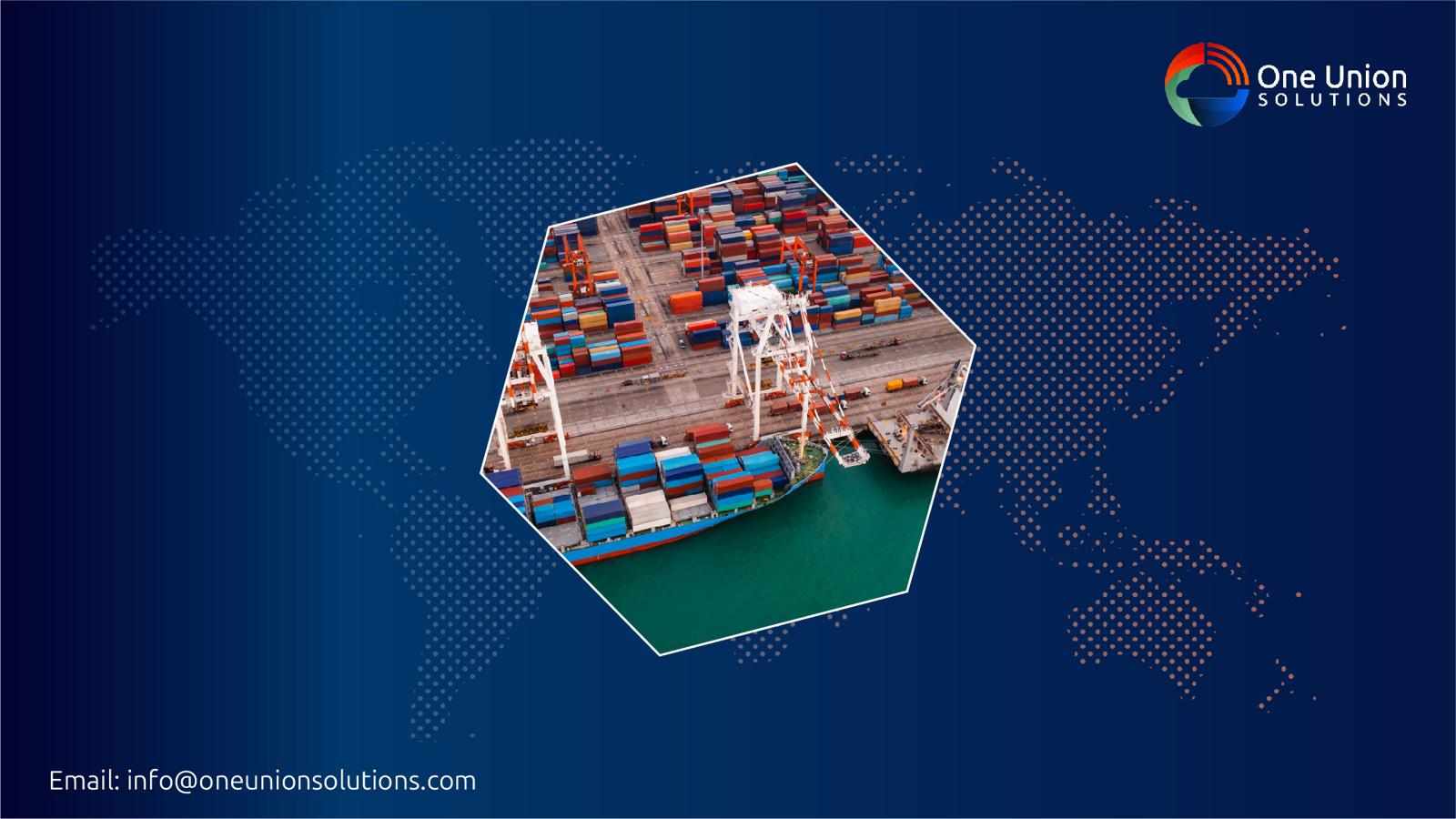
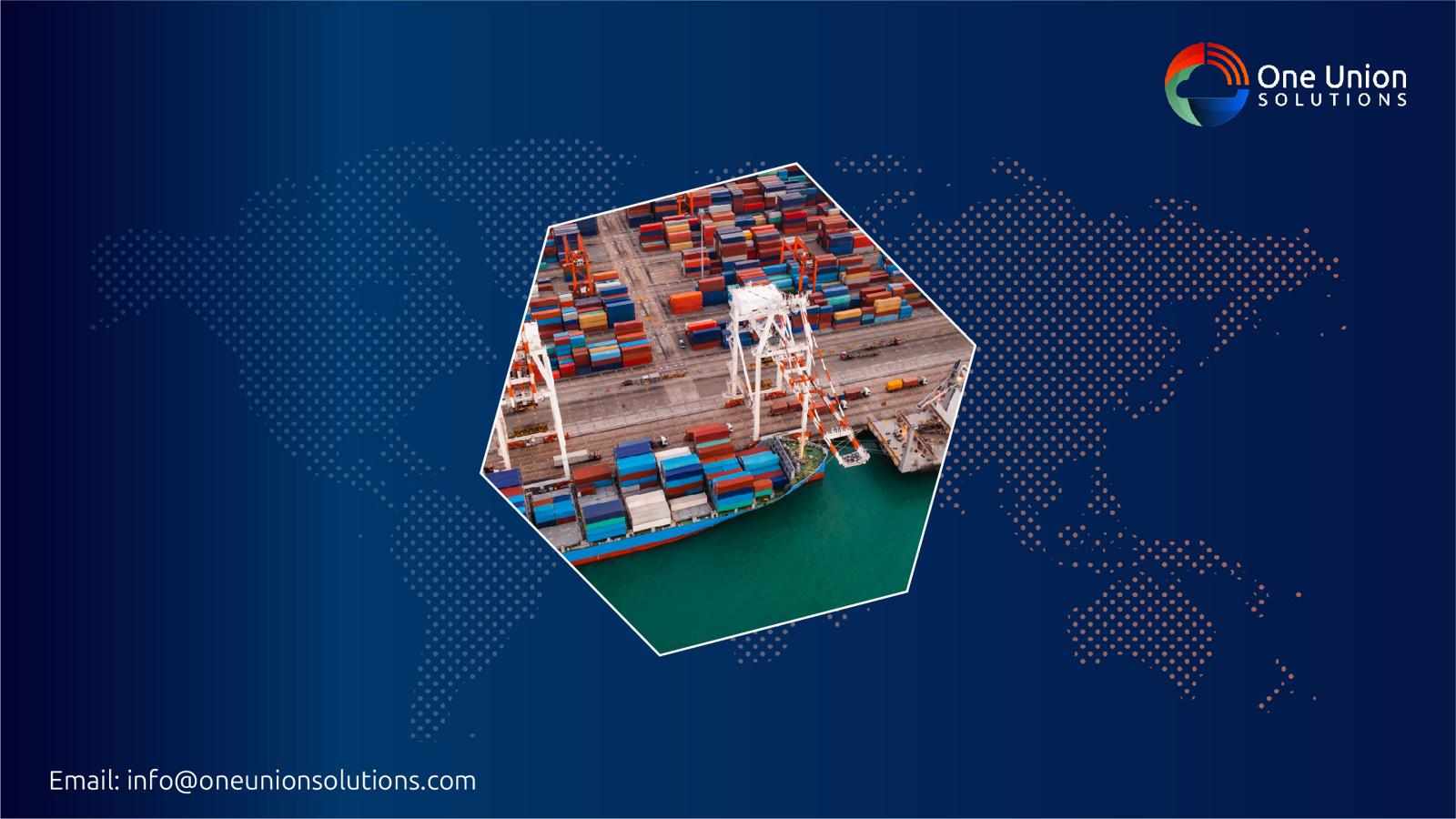
Bonded warehouses are usually used in worldwide trade hubs and ports, serving industries which includes manufacturing, retail, prescribed drugs, electronics, and automotive supply chains. These facilities perform under strict customs supervision to ensure compliance with import-export guidelines.
How a Bonded Warehouse Works
Whilst goods arrive in a country, importers commonly have options: clean customs immediately or move items right into a bonded facility. If stored in a bonded warehouse, the products stay underneath customs bond, which means taxes and Duties are suspended.
While in storage, organizations can:
Hold stock till market call for is confirmed
Repackage, label, or sort items (difficulty to customs approval)
Transfer goods partially for home sale
Re-export goods to another country with out paying import responsibilities
This managed surroundings lets in companies to control stock strategically at the same time as staying compliant with trade laws.
Decreasing Duties Burden Via Deferred Payments
One of the most widespread blessings of a bonded warehouse is obligation deferral. In preference to paying import responsibilities upfront on big shipments, businesses pay handiest when items are launched into the local market. This technique is mainly beneficial for excessive-value goods or seasonal stock.
As an example, if an importer brings in bulk inventory however plans to promote it gradually over several months, duty bills can be unfold out instead of paid all of sudden. This reduces on the spot economic strain and aligns costs with real income sales.
Improving Cash Flow and Monetary Planning
Cash float management is important in logistics and international trade. By using deferring Duties and taxes, businesses can preserve more running capital available for operations consisting of transportation, advertising and marketing, or procurement.
Using a Bonded Warehouse additionally helps agencies keep away from paying duties on unsold or out of date inventory. If goods are re-exported or redirected to any other market, the importer may additionally avoid obligation Costs completely. This flexibility is specially valuable in uncertain market situations or fluctuating demand cycles.
Compliance And Threat Control Advantages
Bonded warehouses operate below customs supervision, which reduces compliance risks for importers. Documentation, stock statistics, and motion of products are monitored automotiveefully, making sure transparency and traceability.
For businesses performing as an importer of record or managing complex multi-u . S . A . Shipments, bonded storage facilitates simplify regulatory compliance. It also reduces the threat of consequences related to incorrect duty bills or untimely customs clearance.
Many logistics service cariers support bonded warehousing as a part of incorporated trade solutions, which include customs advisory and IOR services. Corporations consisting of One Union solutions often spotlight bonded warehousing as a realistic tool inside broader compliance-pushed logistics techniques. More insights on trade compliance and logistics frameworks can be determined at https://oneunionsolutions.Com
Common Use instances across Industries
Bonded warehouses are widely used across multiple sectors:
Manufacturing: Storing raw substances until production schedules are showed
Retail and E-commerce: conserving imported inventory before seasonal launches
Prescribed drugs: at ease storage under controlled situations earlier than distribution
Automobile and Electronics: handling high-cost components throughout global supply chains
In every case, bonded garage helps higher inventory planning whilst minimizing economic and regulatory stress.
Conclusion
A bonded warehouse is more than just a garage choice—it is a strategic tool for managing responsibilities, coins float, and compliance in international trade. Through deferring taxes, allowing re-export flexibility, and improving monetary making plans, bonded warehousing supports green logistics operations throughout industries. For corporations involved in import-export, freight forwarding, or IOR services, information how bonded warehouses work can lead to smarter decisions and more resilient supply chains.








Write a comment ...